
Mar
05
2025
Co-hosted by Smart Start and the NC Department of Commerce
– The NC Partnership for Children (NCPC) and the NC Department of Commerce proudly announce NC Tri-Share Week, taking place from March 17-21, 2025. This week-long initiative for...

Jan
29
2025
The Smart Start Network serves as the backbone of North Carolina's early childhood system, connecting state and local efforts to create opportunities for young children and families to thrive. With a coordinated vision for early childhood both locally and...

Jan
29
2025
In partnership with state agencies, philanthropy, and other organizations, NCPC collaborated on statewide projects and initiatives to enhance the state’s ability to support children and families.
Capacity and Sustainability through Shared Services
NCPC established a Shared Services Department in 2022 to...

May
29
2024
The NC Healthy and Resilient Communities Initiative considers the 4 Realms of ACEs framework for its work, acknowledging that stress and trauma for children and families comes from several different realms.
These realms include
Adverse Childhood Experiences
Atrocious Cultural...
Jan
16
2024
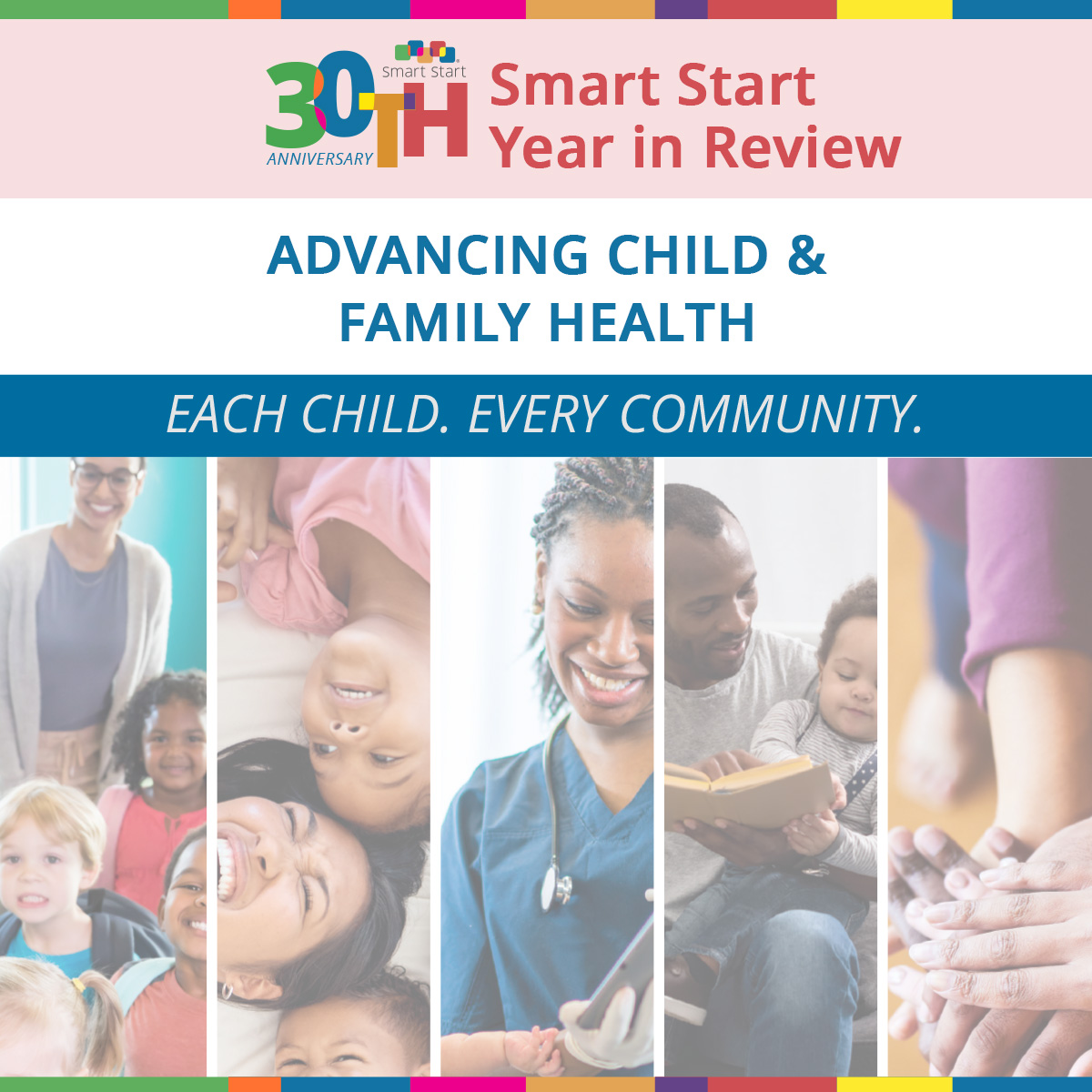
The Smart Start Network works year-round to ensure children and families thrive, creating a brighter future for each child in every community. To celebrate the new year, Smart Start will showcase the impact of the Network with early care...
Oct
20
2023
About the NC Healthy & Resilient Communities Initiative
Hosted by NCPC, the NC Healthy & Resilient Communities Initiative (NC HRCI) commenced in 2019 with a core mission of creating resilience across each generation by bringing together more than 50 multi-sector community collaboratives...
Aug
03
2023
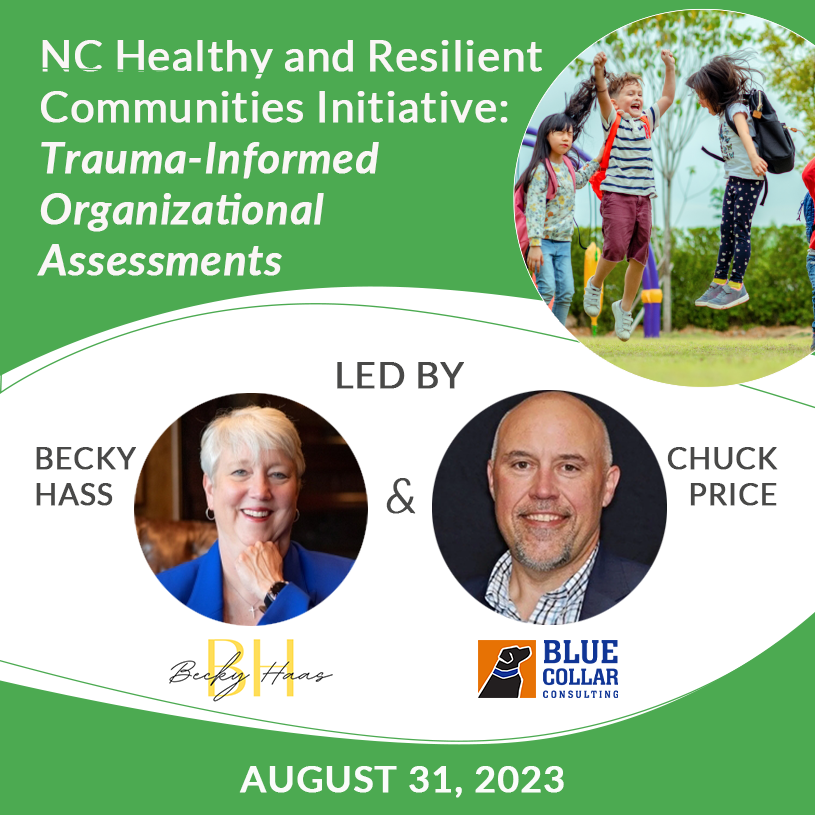
The NC Healthy & Resilient Communities Initiative Offers A Trauma Informed Organizational Assessment Training
Trauma can have a significant impact—effecting each of us, those that we work with, and organizations we work within. Transforming this awareness into practical action and...
May
08
2023
- For Immediate Release (Download press release PDF) -
New Website Will Engage Communities Statewide Around Resilience
Download press release PDF RALEIGH- Resilient North Carolina, a website created by the NC Healthy & Resilient Communities Initiative (NCH&RCI), has launched. Resilient North...
Apr
14
2023
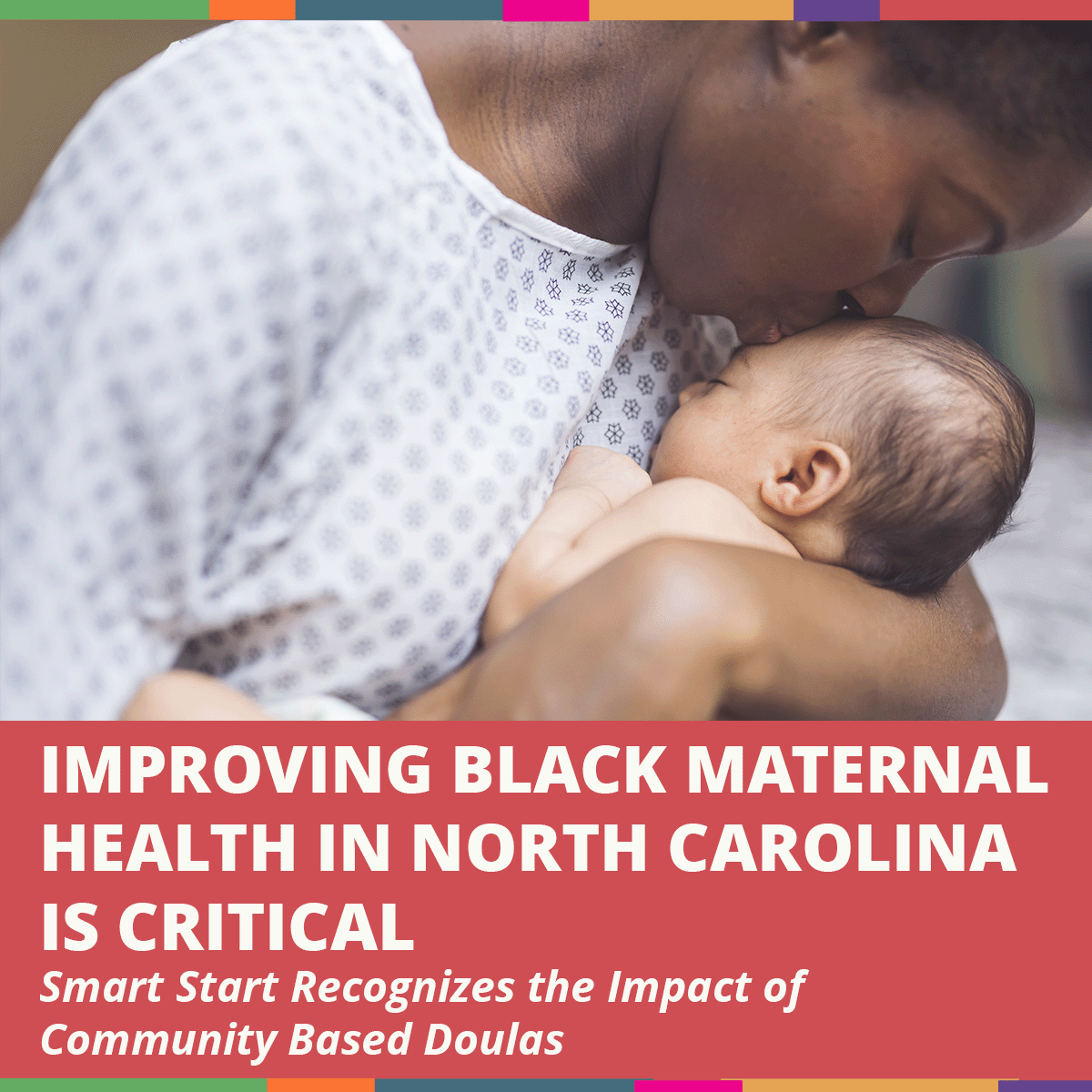
Smart Start Recognizes the Impact of Community Based Doulas
We must do better.
Smart Start’s mission is to advance a high quality, comprehensive, accountable early childhood system that benefits each child in North Carolina beginning with a healthy birth. However, as...
Apr
03
2023
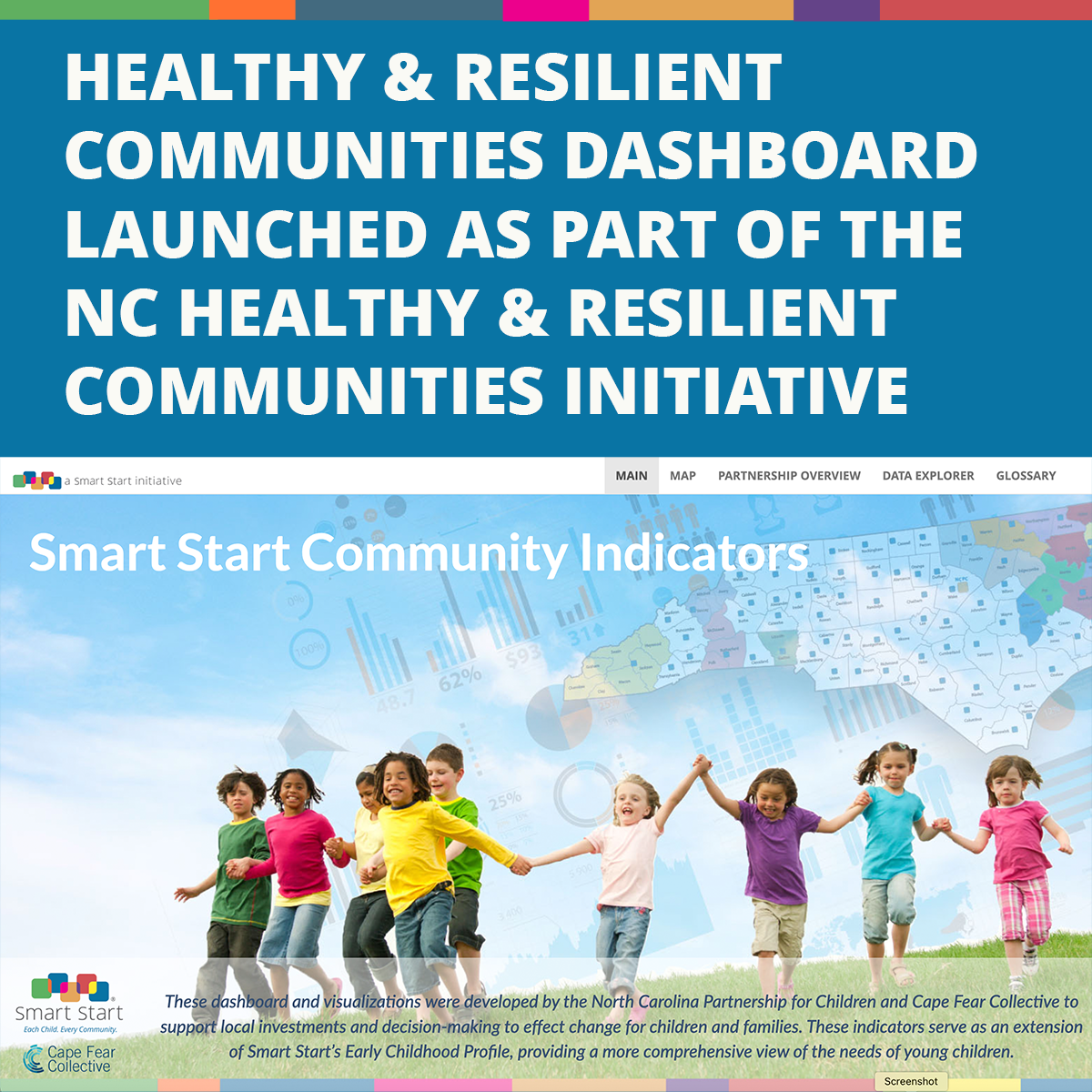
Healthy & Resilient Communities Dashboard Launched as Part of the NC Healthy & Resilient Communities Initiative
The NC Healthy & Resilient Communities Initiative (NC HRCI) hosted by NCPC works to reduce adversity experienced in multiple realms by children and families...